

The Role of Luck in Casino Gaming
Luck is often viewed as a pivotal element in the realm of casinos, where games are inherently designed with a significant aspect of chance. Players frequently depend on luck to improve their winning odds, especially in games such as slots, roulette, and craps. These games are heavily influenced by random number generators and probabilities, meaning that while skill may have a minimal impact, it is ultimately the unpredictable nature of luck that determines the outcomes. For those seeking excitement, the allure of an online casino can provide a unique experience, as the thrill of chance can yield exhilarating moments of victory or devastating losses.
Moreover, luck acts as a double-edged sword, providing an exciting experience while encapsulating the risks players take with their wagers. For instance, a player might enter a game of blackjack equipped with well-honed strategies and decision-making skills, yet if luck does not favor them, they may still face losses. This unpredictability heightens the allure of gambling, making it particularly appealing to those who thrive in high-stakes environments. Thus, luck is not merely an abstract concept; it is a vital part of the casino atmosphere that captivates players and keeps them returning for more excitement.
Despite many players attributing their victories to sheer luck, it’s crucial to understand that luck fluctuates over time. A lucky streak can lead to significant wins, but this can just as easily be followed by a downturn. The cyclical nature of chance in gambling creates the game’s volatility. While winning may feel like an accomplishment of skill, it often hinges on the unpredictable nature of luck, sparking ongoing debates regarding the various factors that contribute to a player’s overall success in the casino landscape. Over time, some players may experience what feels like “luck” in a specific game, but this is often a temporary state influenced by the inherent randomness of the games themselves.
The Importance of Skill in Casino Games
While luck undeniably plays a substantial role in many casino games, the significance of skill cannot be overlooked, particularly in games that require strategic thought and decision-making. Take poker, for instance; players need to learn how to read their opponents, comprehend game theory, and strategize their betting to optimize their winning chances. A skilled poker player can consistently outperform less experienced competitors, showcasing that knowledge and expertise can lead to greater long-term success. This illustrates that although luck may influence individual hands, skill is essential for a player’s sustained success over time.
Furthermore, games like blackjack also encompass a considerable skill aspect. Players who utilize strategies such as card counting can significantly enhance their odds against the house. Skillful players can make informed decisions based on the cards they observe and possess a deeper understanding of the probabilities involved. This capability to analyze circumstances and modify strategies accordingly places skilled players at a distinct advantage, often allowing them to leverage their knowledge and experience, potentially countering the influence of luck. The difference in outcomes between novice and experienced players in such games often underscores the critical role that skill plays in the long run.

Skill-based games encourage ongoing learning and improvement, appealing to players who relish intellectual challenges. Consequently, many casino enthusiasts transition from games of pure luck to those incorporating skill elements. This evolution in gameplay underscores that players recognize the merit of refining their skills and adapting their strategies for achieving consistent results, reinforcing the notion that success in the casino is rooted in more than just fortune. As players improve their skills, they often develop a deeper appreciation for the game, which enhances their overall enjoyment and engagement.
The Balance of Luck and Skill in Casinos
The ongoing debate concerning luck versus skill in casinos reveals a complex interplay where both factors coexist. While luck may facilitate spontaneous wins, skill empowers players to make informed choices that can influence the outcomes of games. In baccarat, for example, although the draw of cards is random, a skilled player will know the most effective betting strategies, thereby maximizing their potential returns despite the unpredictable nature of luck. This harmonious relationship between luck and skill creates a dynamic environment where players continually strive to improve their game while acknowledging that chance will always be a significant player.
This balance is particularly notable in competitive formats or tournaments, where both aspects can shine through distinctly. Players may compete against one another in poker tournaments, where skill is critical for advancing through multiple rounds. However, a single hand can shift dramatically based on the luck of the draw, emphasizing the constant tug-of-war between these two gaming elements. Players must adapt to their opponents’ skill levels while also hoping for the favorable fortune needed to progress, illustrating the complexity of their strategies and the necessity of being adaptable in various game scenarios.
Ultimately, grasping this balance is essential for anyone interested in casino gaming. Embracing the realities of both luck and skill allows for a more nuanced approach to gambling. While novices may lean heavily on luck, those who dedicate time to learning and honing the skills associated with their preferred games often find greater satisfaction and success, resulting in a more fulfilling gaming experience overall. Recognizing when to leverage skill and when to accept the luck of the draw is crucial for any serious casino player, as this understanding can profoundly affect their overall strategy and enjoyment.
How Casinos Influence Player Perception of Luck and Skill
Certain casinos intentionally craft their environments to emphasize the thrill of luck, often showcasing games that rely heavily on chance. Brightly illuminated slot machines, enticing jackpots, and bustling roulette tables highlight the excitement associated with luck, attracting players who seek that adrenaline rush. These establishments create an atmosphere that celebrates the unpredictable nature of gaming, making it easy for players to overlook the skillful strategies that can enhance their overall experience. The vibrant and dynamic decor of these casinos often reinforces this perception, creating an allure that keeps players engaged.
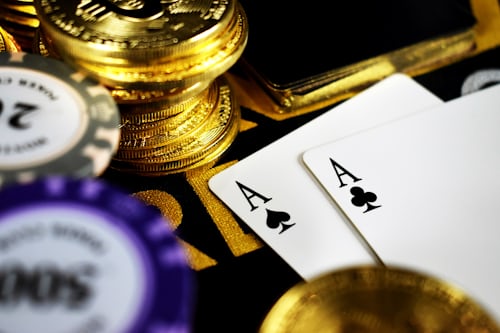
Conversely, some casinos offer educational programs and workshops focused on discussing the strategic skills required for games like blackjack and poker. By promoting skill-based learning, these establishments aim to attract a different demographic of players, those who value the analytical and strategic components of gaming. These educational initiatives help shift the perception of gaming from mere chance to an intricate mix of skill, strategy, and luck, ultimately enriching the gaming community as a whole. Such environments encourage players to explore beyond their initial understanding of games, potentially leading to greater enjoyment.
The marketing strategies employed by casinos play a crucial role in shaping player perceptions, influencing whether individuals approach gaming with a mindset concentrated on luck or skill. As players become more educated about the games they play, they are likely to develop a deeper appreciation for the skills involved, prompting them to refine their strategies and enhance their enjoyment of the gaming experience. By comprehending the various influences at play, players can better navigate their journeys through the diverse world of casinos, leading to more informed and enjoyable gambling experiences.
Conclusion: Embracing Both Elements
In conclusion, the question of whether luck or skill is more dominant in casino success does not yield a straightforward answer. Both elements intertwine seamlessly, generating a multifaceted gaming experience. While luck can lead to unpredictable wins and losses, skill enables players to analyze their circumstances and enhance their overall success. This interplay is what makes casino gaming so engaging and dynamic for players from all backgrounds, creating an environment where personal growth and enjoyment can coexist.
Recognizing the importance of both luck and skill encourages players to engage more thoughtfully with their chosen games. While it may be tempting to solely depend on luck, investing time in improving strategic techniques can yield more rewarding outcomes. Players who strike a balance between accepting luck’s unpredictability and cultivating their skills often find themselves enjoying the game at a deeper level, fostering a more enriching casino experience overall. This holistic approach can also help mitigate the emotional highs and lows commonly associated with gambling.
This understanding can also alter how players view their successes and failures within the casino setting. By appreciating that both luck and skill play critical roles, players can approach their gaming with a more realistic perspective, promoting healthier gambling habits and greater enjoyment of the games they cherish. Embracing both elements paves the way for a rewarding journey through the vibrant landscape of casinos, ultimately enhancing the player’s experience and fostering long-term engagement with the games they love.