

Exploring the intriguing origins of gambling through the ages
The Ancient Beginnings of Gambling
The origins of gambling can be traced back thousands of years, with evidence suggesting that it was practiced in various ancient civilizations. The earliest records date back to around 3000 BC in Mesopotamia, where dice made from bone were used in games of chance. These artifacts indicate that gambling was not merely a pastime, but also a way to settle disputes and engage in social bonding. In fact, the evolution of various gaming activities, including pokies, reveals much about human culture and interaction throughout history.
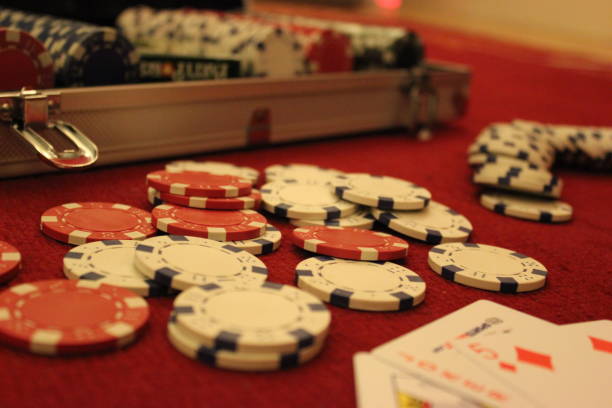
Similarly, ancient Chinese culture engaged in gambling as early as 2000 BC, with evidence of betting on the outcome of games and events. The Chinese developed games that involved chance and strategy, laying the groundwork for modern gambling practices. Over the ages, these early forms of gambling evolved, giving rise to a culture that both celebrated and condemned the act of wagering.
The Evolution through the Middle Ages
During the Middle Ages, gambling continued to flourish, particularly in Europe. The development of playing cards in the 14th century marked a significant evolution in gambling practices. As card games gained popularity, they became associated with nobility and were often played in the courts of kings and queens. This period also saw the establishment of betting houses, which provided a venue for the growing interest in gambling.
In addition to card games, the advent of dice games and betting on tournaments further popularized gambling during this era. However, despite its popularity, gambling faced scrutiny and was often condemned by religious authorities who viewed it as sinful. The tension between acceptance and condemnation reflected the dual nature of gambling—an activity that brought both joy and controversy.
The Rise of Modern Gambling
The 17th and 18th centuries ushered in the modern era of gambling, characterized by the establishment of formal gambling establishments such as casinos. The first official casino, the Ridotto, opened in Venice in 1638, offering a regulated environment for gaming. This innovation allowed for organized betting and attracted players from various walks of life, marking a significant shift in public perception towards gambling.
Simultaneously, the invention of the lottery gained traction as a means of raising funds for public projects. Governments began to regulate and endorse lotteries, further legitimizing gambling as a social activity. This period also saw the publication of various gaming laws aimed at controlling gambling and ensuring fair play, which laid the groundwork for modern gambling regulations.
The Global Expansion of Gambling
As globalization took hold in the 19th and 20th centuries, gambling expanded to new territories, influenced by colonialism and cultural exchange. The introduction of slot machines and other electronic gaming devices revolutionized the gambling landscape, making it more accessible to the masses. This period marked a shift towards commercial gambling, with establishments competing for patronage.
The advent of the internet in the late 20th century transformed gambling once again, allowing players to gamble online from the comfort of their homes. This technological advancement opened up new markets and introduced a younger audience to gambling, creating a diverse array of online gaming options that continue to evolve today.

Discovering Safe Online Gambling Today
In the contemporary landscape of gambling, the focus has shifted towards ensuring player safety and enjoyment. Many online platforms provide secure environments for players, offering comprehensive reviews of licensed casinos that emphasize responsible gaming practices. Players can explore various gaming options, from classic card games to modern pokies, all while benefiting from attractive bonuses and promotions.
As gambling continues to evolve, it is essential for players to make informed choices about where and how to gamble. With a wealth of resources available, including guides and reviews, players can enhance their gaming experiences and engage in safe gambling practices. Understanding the rich history of gambling adds depth to the appreciation of this enduring pastime.